


What people are facing: We are living through a pivotal moment where the values that define our home—inclusion, fairness, and safety—are being tested. With record-breaking spending on enforcement activities and a political climate that consistently bends the rules to isolate immigrant and refugee communities, we are facing a crisis that families often can't handle on their own, given our shrinking public and private safety nets. Tennessee remains a legal services desert, and the rising tide of hostility is turning the places where our neighbors work, learn, and build their lives into increasingly dangerous spaces. But we refuse to let this fear become normal and go unchallenged. We know that home is worth fighting for, and we believe that the rights and dignity of our immigrant neighbors are not negotiable. We are not just witnessing this moment—we are actively resisting it, together.
We know we cannot match the opposition dollar-for-dollar, so we have to work smarter and harder. Instead, we utilize the most effective weapon against authoritarianism: people power.
What works: Our grassroots organizing playbook—forged right here in the South—is proving that we can outmaneuver fear, which seeks to paralyze, with solidarity. By organizing neighbor-to-neighbor, we aren't just reacting to legislative hostility, but courageously standing in opposition. This strategy is working, and it’s gaining national attention. TIRRC is now recognized as a leading voice in the movement to protect immigrant rights and build a multi-racial democracy, a commitment recently recognized by a national award from The Courage Project. We are proving that when we organize, we can minimize today's harm while building a vision for the future—and our work is setting the standard for how to fight back and prevail.
Click the + to see pieces of our work from the last six months at a glance and follow the links to read in-depth profiles of the people and projects.
-
Staving Off Attacks:
Challenging Overreach:
-
-
-
As we strive to cultivate safe, informed, and resilient communities across Tennessee, from the grassroots to the grass tops, the ongoing crisis continues to stretch TIRRC's capacity. Yet, we refuse to accept these hostile conditions as the new normal for the families who have made our state their home. Home is worth defending, and our immigrant and refugee neighbors are worth fighting for. We need your donations to sustain this work and prepare for the unknown.
P.S. Make a $150 donation or more, and we will send you a limited-edition “Melt ICE” poster.
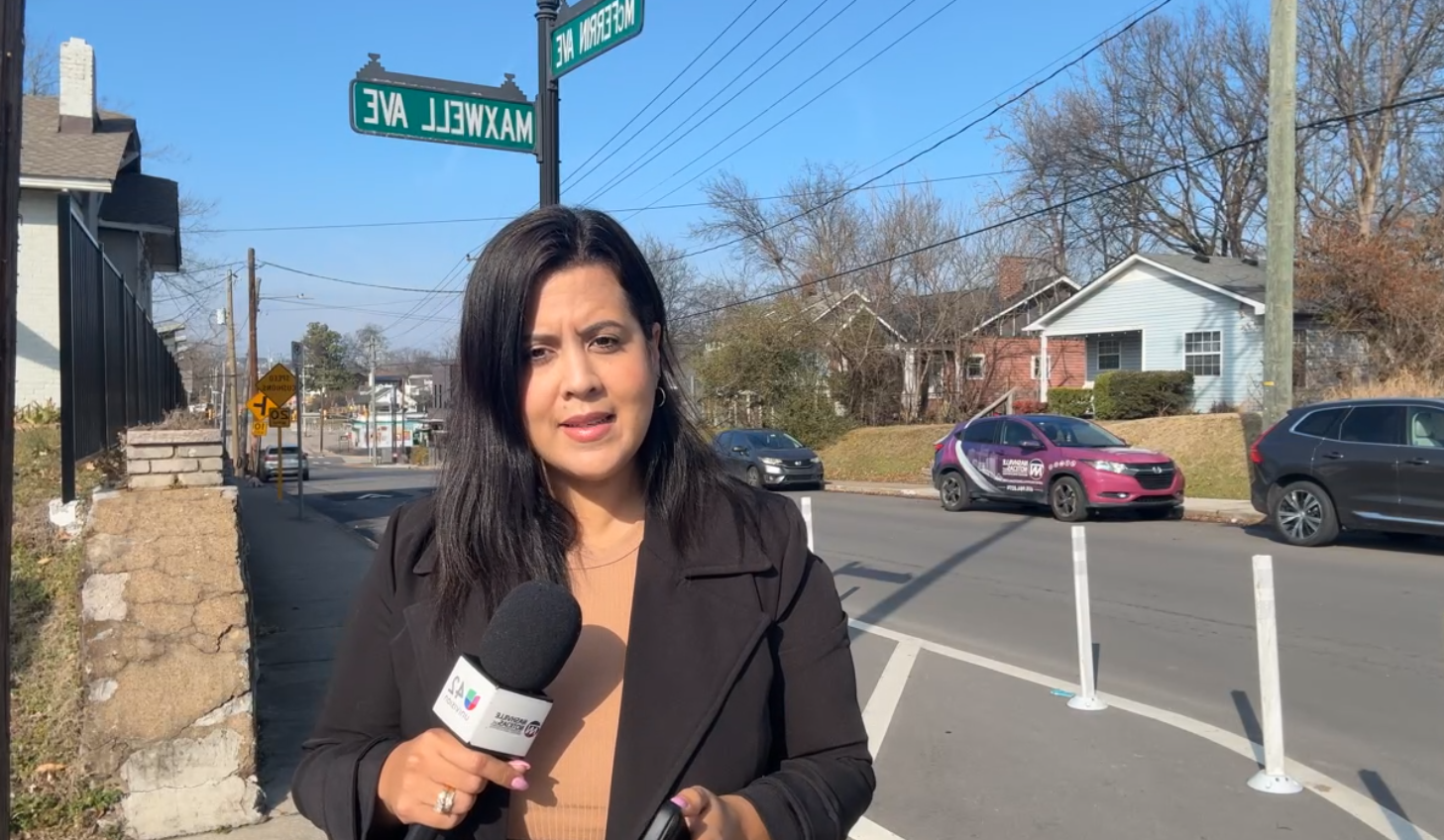
Secured Estefany Rodríguez’s release and challenged her arrest and detention.
Estefany Rodríguez, a reporter for the Spanish-language media outlet Nashville Noticias, was arrested and quickly transferred to a Louisiana detention center without speaking to her husband, Alejandro, or her lawyer for her active Asylum case.

Turning new laws into clear, accessible information.
When laws change overnight, it can be terrifying for immigrant and refugee families trying to navigate their daily lives.

Tirelessly pursuing justice in the courts.
Our legal team is tirelessly pursuing justice in the courts, having launched 21 habeas corpus actions challenging unlawful detentions since last autumn, with 13 cases initiated just this year.

Impact of CFMT’s Belonging Fund.
Since the Community Foundation of Middle Tennessee's Belonging Fund launched, our immigrant and refugee families in Middle Tennessee have found a safe place to access resources during a crisis.
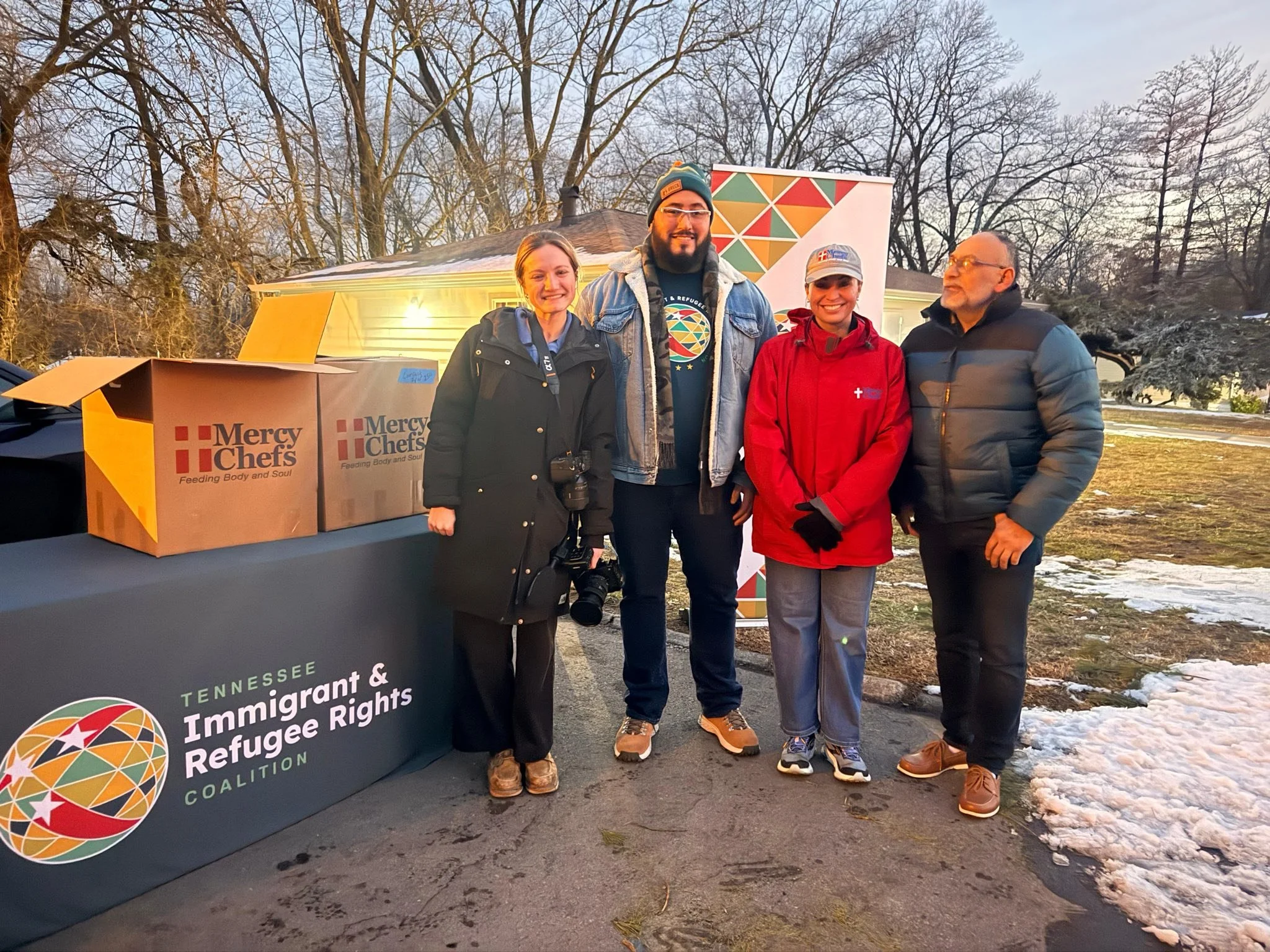
Winter Storm Fern Response
This spirit of resilience and mutual aid was especially evident during the freezing conditions of Winter Storm Fern.

Hyper-local organizing and mutual aid in Memphis.
Community members in Memphis are leading the way in how neighbors can support each other through mutual aid.
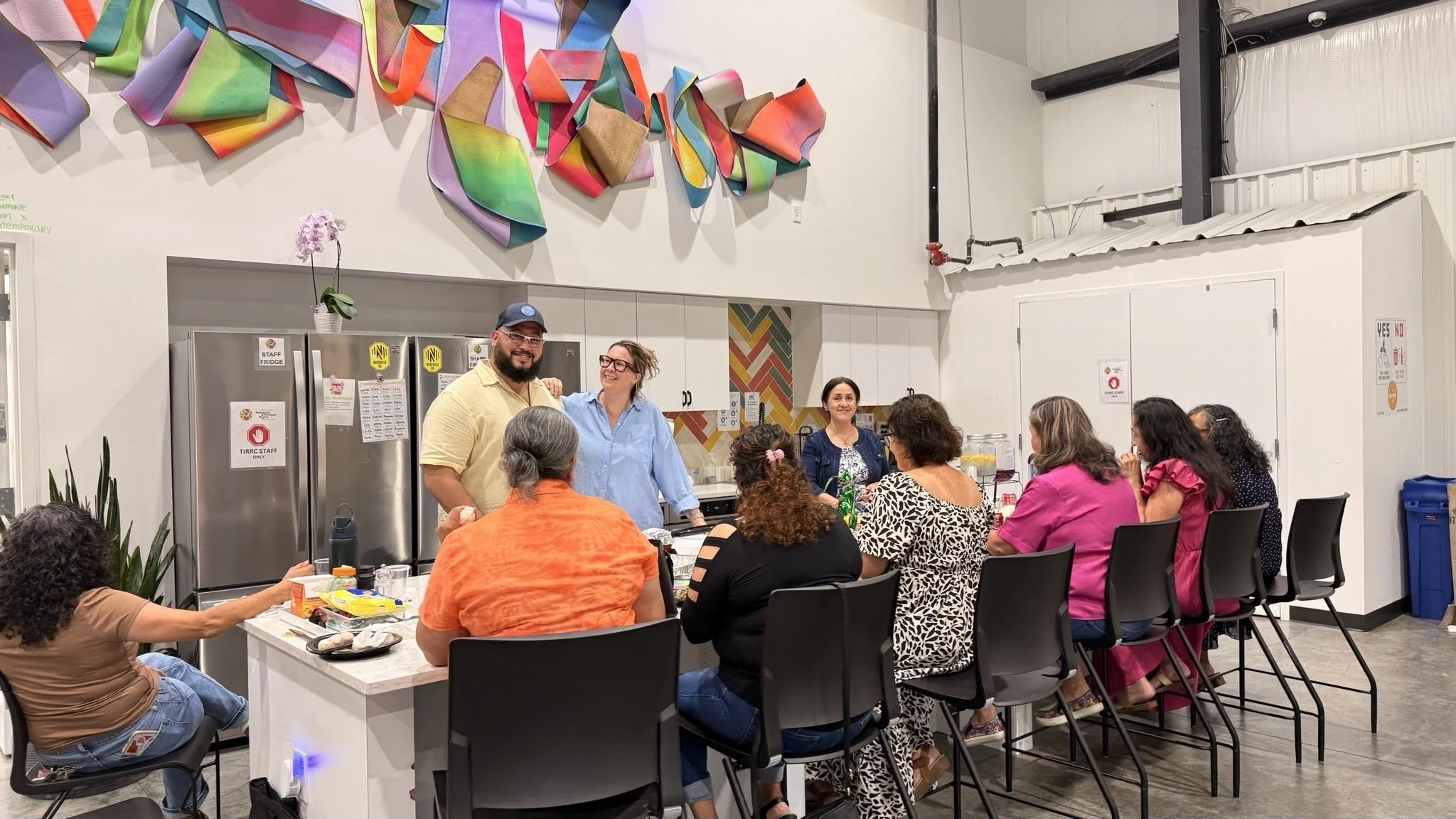
Mental Health Support groups launched in Middle TN.
As family separation continues to harm our communities and public and nonprofit support for mental health services are dwindling, TIRRC saw the need to go beyond legal support and help families process. Meet our volunteer Lina Bravo.
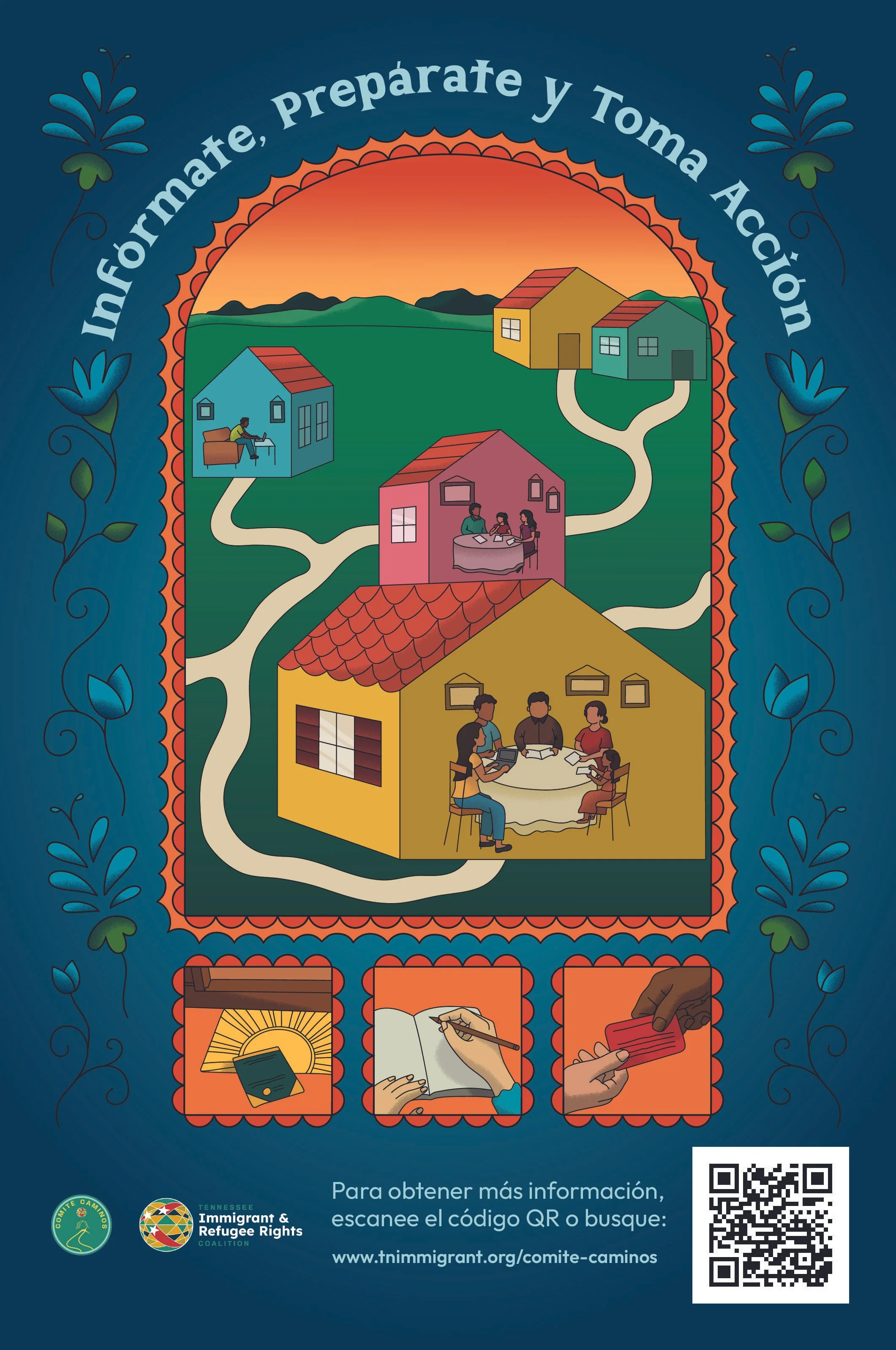
Chattanooga Member Committee Designs New Family Preparedness Assets.
Our member committee in Chattanooga, Comité Caminos, recognized the need to help families prepare for crises, leading youth member Angie to design a poster encouraging families to stay informed, be prepared, and take action to minimize the impact should a crisis occur.
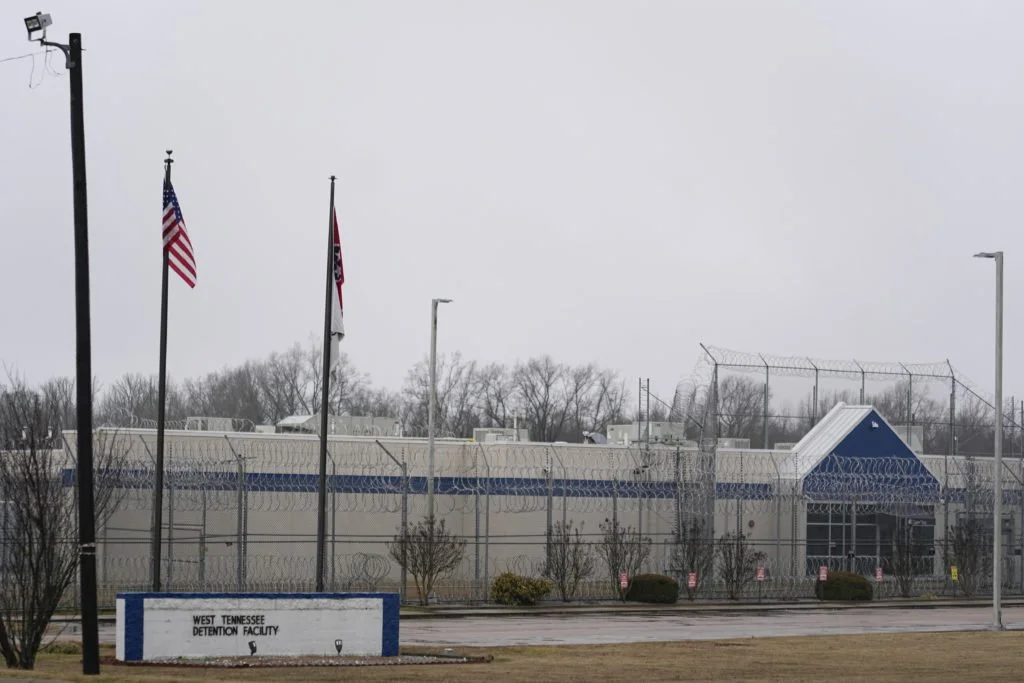
West Tennessee Detention Facility outreach.
The previously closed West Tennessee Detention Facility in Mason reopened in 2025 as an immigration detention center, and the 600-bed prison is operated by CoreCivic, a for-profit prison company.

A safe place to turn, update on our Resource Line calls.
Our Resource Line has become a vital hub for our community, already fielding over 4,322 calls in 2026.

East Tennessee plans “Welcome Back” banners to display at local schools.
Chattanooga-based Comité Caminos is currently designing festive “Welcome Back” banners to display at local schools.
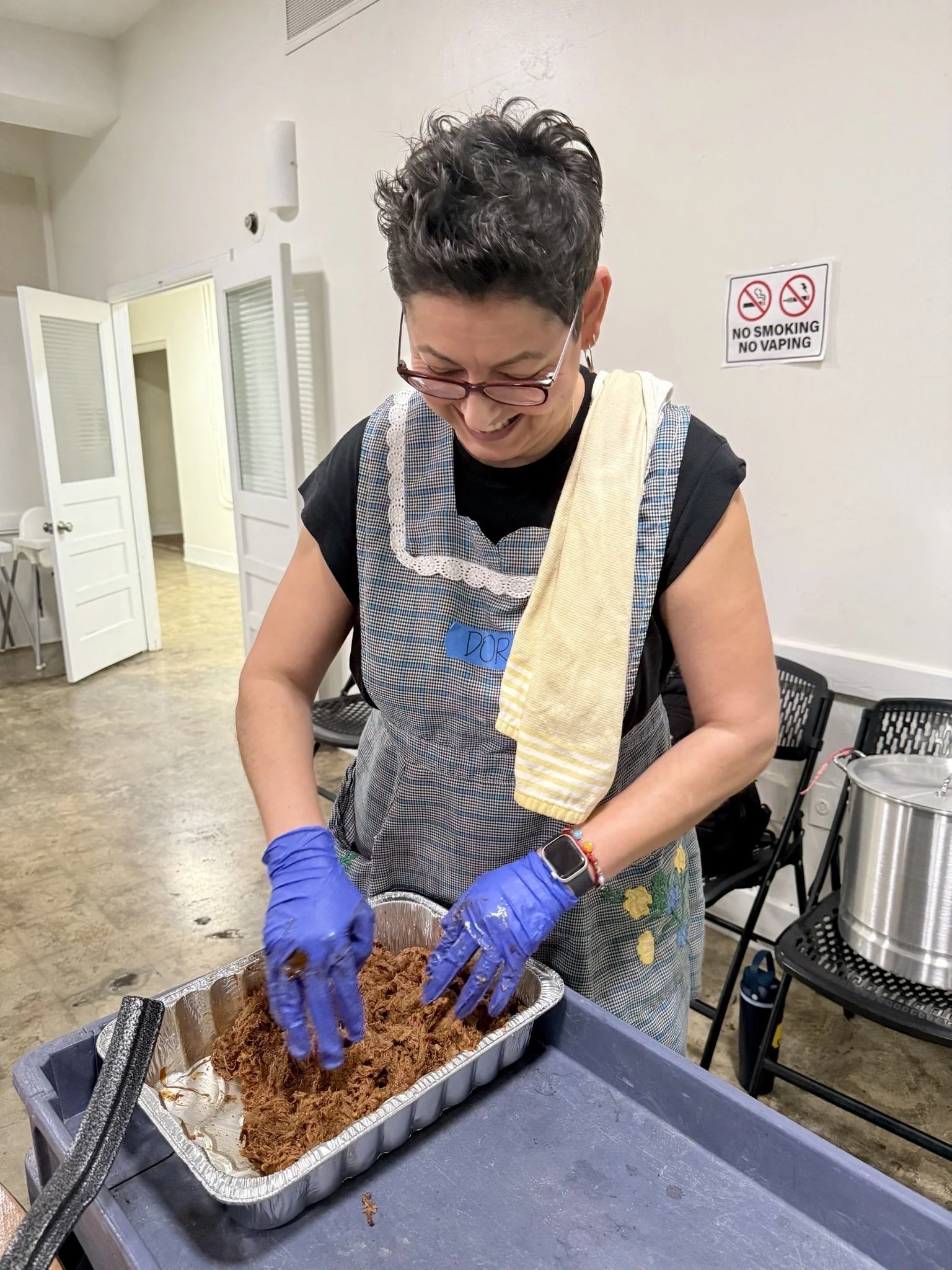
Tamales y Poder Comunitario! Tamales and Community Power Event Recap.
In Memphis, we channeled this same spirit of resilience through a community tamale-making event with our partners at Venindarios 901.
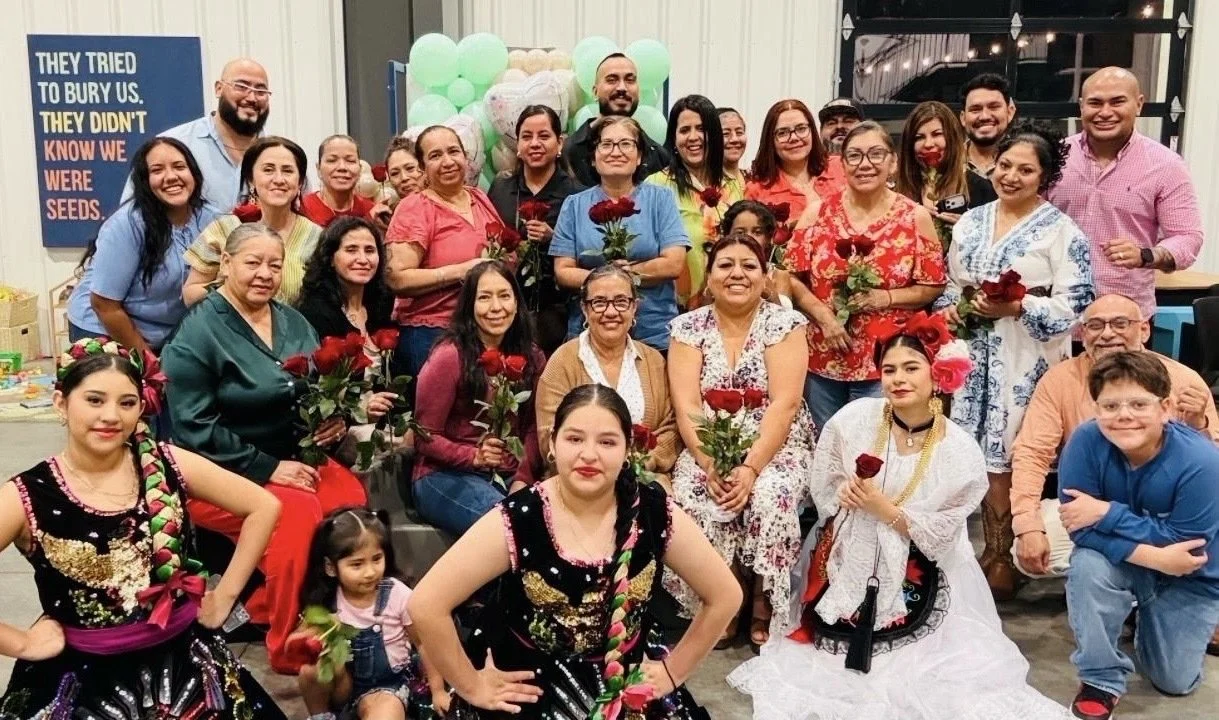
Middle Tennessee Mother’s Day Gathering
For our Middle Tennessee Mother’s Day gathering, we came together for more than just celebration; we held space for healing and preparing for the unknown.

Nashville’s InterNASHional Night Market celebrates the World Cup with Nashville Soccer Club.
Our recent InterNASHional Night Market, presented by Nashville Soccer Club, was a huge success, raising nearly $90,000 to support our year-round work.
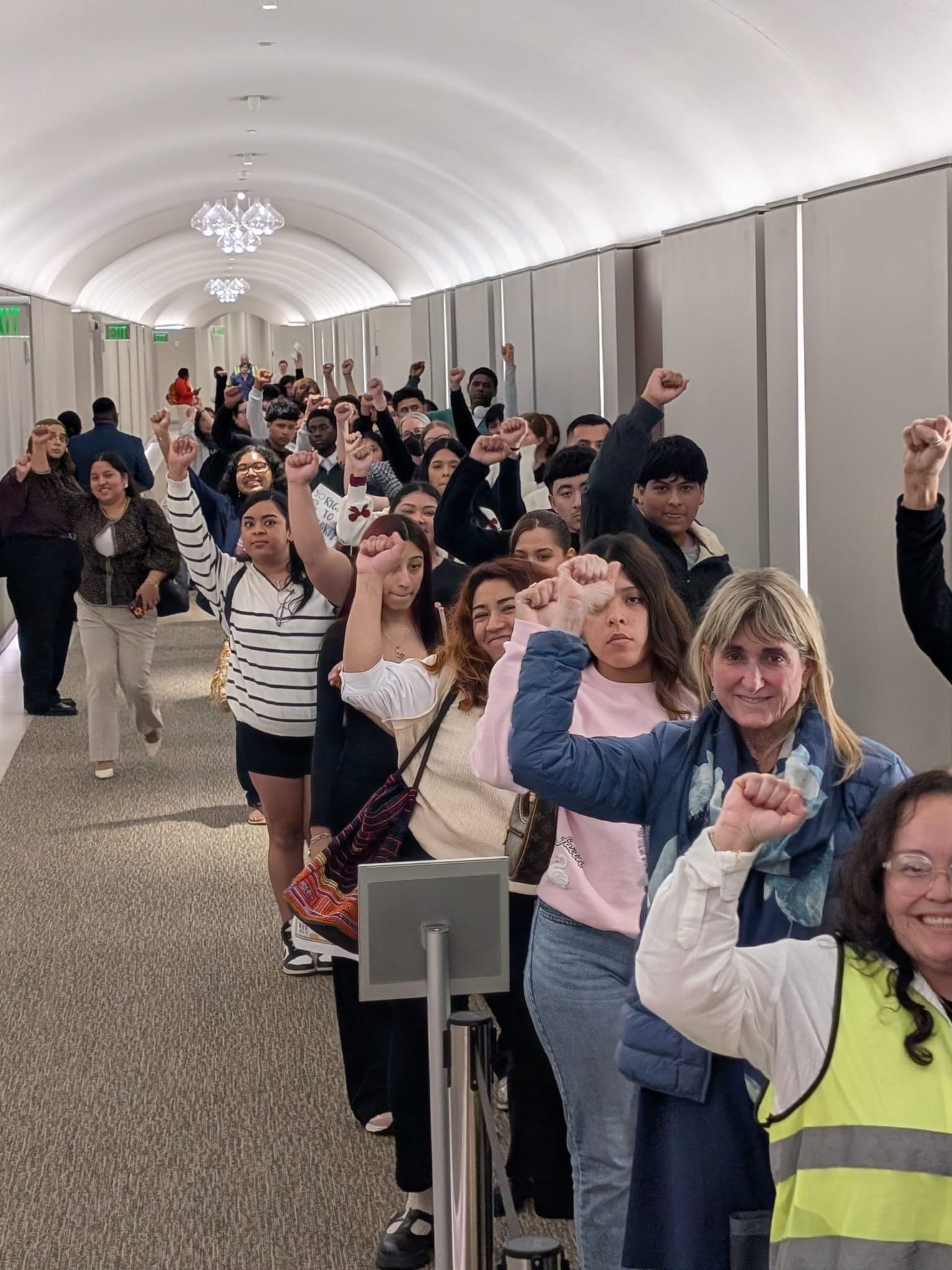
Education for All defended, again.
We believe that regardless of their skin color, where they were born, or how much their parents earn, every single child across the state of Tennessee deserves access to a high-quality public school education in their own neighborhood.

Emerging Legal Issue: Intersection of Immigration and Family Law.
Throughout 2025, our legal team noticed an emerging issue in immigration law: caregivers, families, and the legal system were facing unprecedented challenges involving family law.

Lifesaving health care for children at risk, but halted.
Due to a new state law that went into effect July 1, families started to receive letters from the Tennessee Department of Health service informing them that if they could not prove citizenship when enrolling their personal information would be shared with the state Central Immigration Enforcement Office.
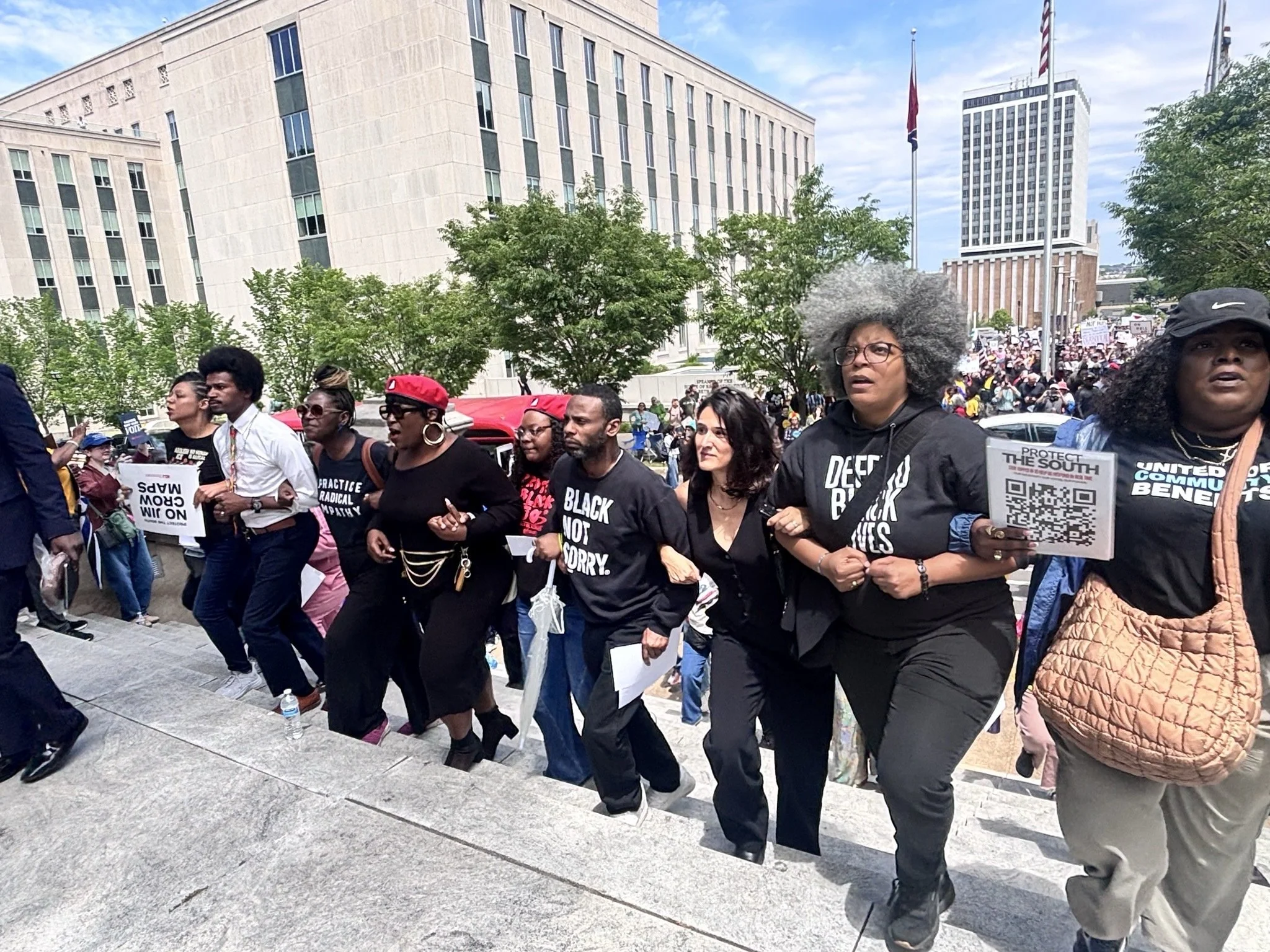
Regrouping after Special Session redistricting fallout.
Our coalition partners, TIRRC, and our affiliate organization TIRRC Votes activated hundreds of volunteers and voters to oppose this redistricting.